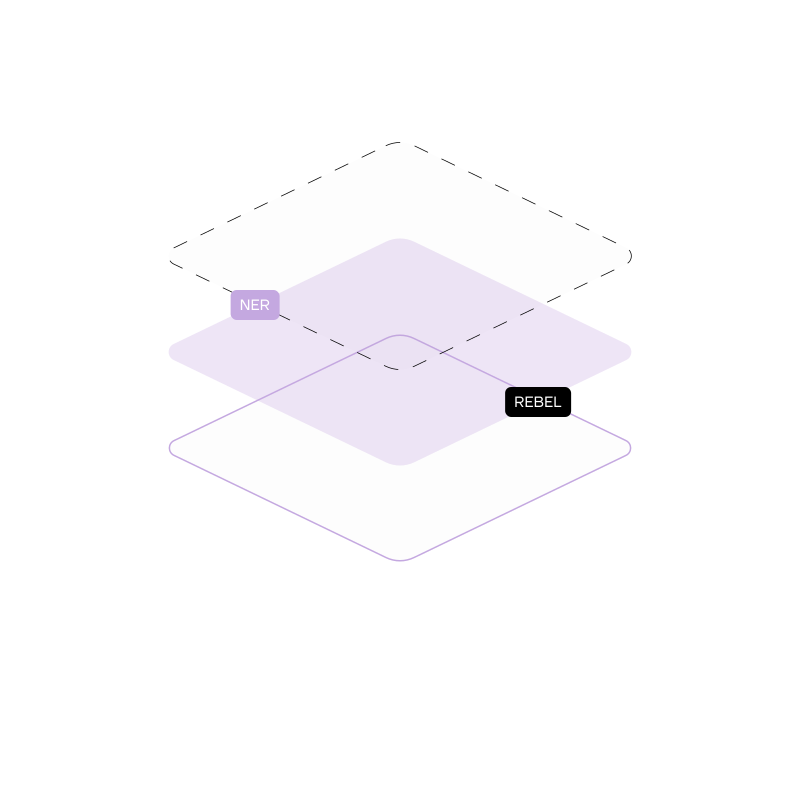
From a single number
to the full range of
what’s possible.
HARUS turns your data, documents, and relationships into dedicated diffusion models — not one prediction, but the full space of what’s possible.
Request demo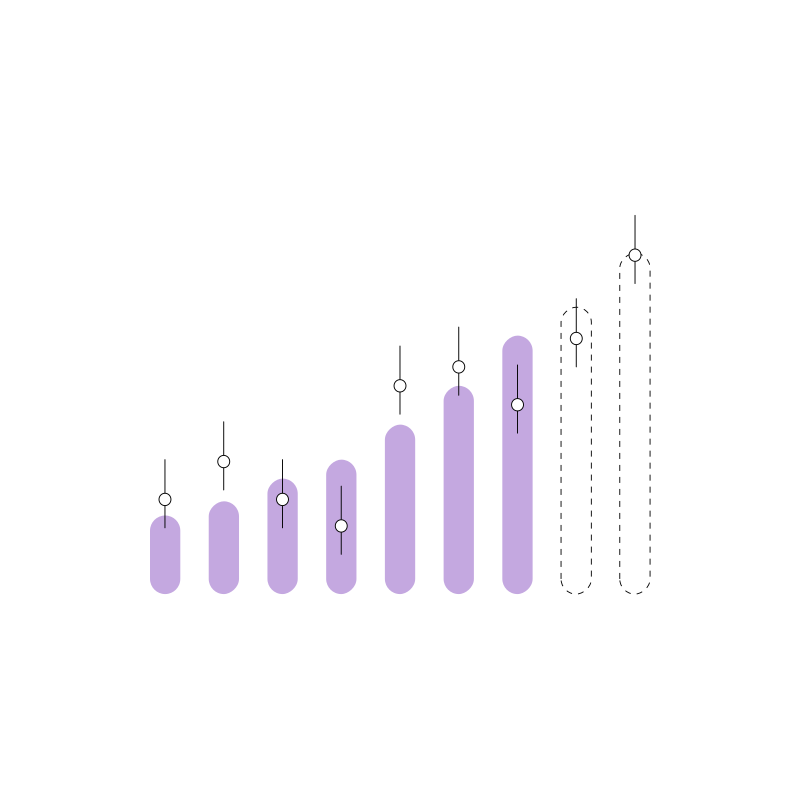
What It Is
HARUS
Diffusion models for a specific domain, process, or problem.
Financial forecasting is one example — not the whole product.
Beyonda Single Dataset
HARUS learns from every kind of signal your problem carries, not one clean table.
Structured data
time series, metrics, events
Unstructured
reports, docs, comms
Graphs
how things relate
Context
what it all means
Built for the Problem, Not a Benchmark
Financial forecasting is one example — not the whole product. The same approach fits any numeric domain, process or problem.
Not One Forecast — a Field of Scenarios
It shows the most likely direction, the realistic range of outcomes, best- and worst-case scenarios, the level of uncertainty, and which factors move the result most — a map of possible futures, not one number pretending to be certain.
Where It’s Used — Use Cases
In finance, historical results, market data, macro factors, documents and company relationships combine into a range of revenue, cost or profitability scenarios. The same approach applies to energy demand forecasting, production planning and supply chains.
Runs Inside
Your Organization
HARUS can be trained and run fully on-premise. Data, knowledge graphs, and model parameters stay inside your infrastructure — so the model you build stays your advantage.
make uncertainty
visible
Build decisions around probabilistic scenarios and evidence context.
Request demoOther Products
Nauron sits between your data and your applications — understanding, organizing, and transforming raw data into evidence-backed intelligence.